How Much Do Blinds Cost? Complete 2026 Pricing Guide
How Much Do Blinds Cost? Complete 2026 Pricing Guide
Whether you are moving into a new home, renovating, or simply replacing worn-out window treatments, one of the first questions homeowners ask is: how much do blinds cost? The answer depends on the type of blind, the material, window size, and whether you choose custom or ready-made options.
In this guide we break down the real costs you can expect to pay in 2026, covering everything from budget-friendly mini blinds to premium plantation shutters. We will also share practical strategies for saving money without sacrificing quality.
Average Blinds Cost Per Window in 2026
Before diving into specifics, here is a quick snapshot of what most homeowners spend:
| Cost Level | Price Per Window | Typical Products |
|---|---|---|
| Budget | $15 – $45 | Vinyl mini blinds, basic roller shades |
| Mid-Range | $50 – $150 | Faux wood blinds, cellular shades |
| Premium | $150 – $350 | Real wood blinds, motorized rollers |
| Luxury | $350 – $800+ | Plantation shutters, smart motorized shades |
The national average cost to cover a standard 36" x 60" window falls between $75 and $200 when you factor in materials and basic installation.
Blinds Cost by Material Type
Material is the single biggest factor in determining what you will pay. Let us walk through every major category.
1. Vinyl Mini Blinds — $10 to $40 Per Window
Vinyl mini blinds are the most affordable window covering on the market. They are lightweight, easy to clean, and available in dozens of standard sizes at any home improvement store.
Pros:
- Lowest upfront cost
- Easy to install yourself in under 10 minutes
- Moisture-resistant, suitable for bathrooms and kitchens
Cons:
- Least durable option — slats crack and yellow within 2 to 4 years
- Limited color selection (mostly white, off-white, and tan)
- Thinner slats (1-inch) offer less light control
Best for: Rental properties, temporary solutions, and tight budgets.
2. Aluminum Mini Blinds — $20 to $55 Per Window
A small step up from vinyl, aluminum mini blinds offer better durability and a slightly more polished look.
Pros:
- More durable than vinyl
- Will not yellow over time
- Available in 1-inch and 2-inch slat widths
Cons:
- Slats can bend and are difficult to straighten
- Can rattle in drafty windows
- Basic, utilitarian appearance
Best for: Office spaces, utility rooms, and budget-conscious homeowners who want something sturdier than vinyl.
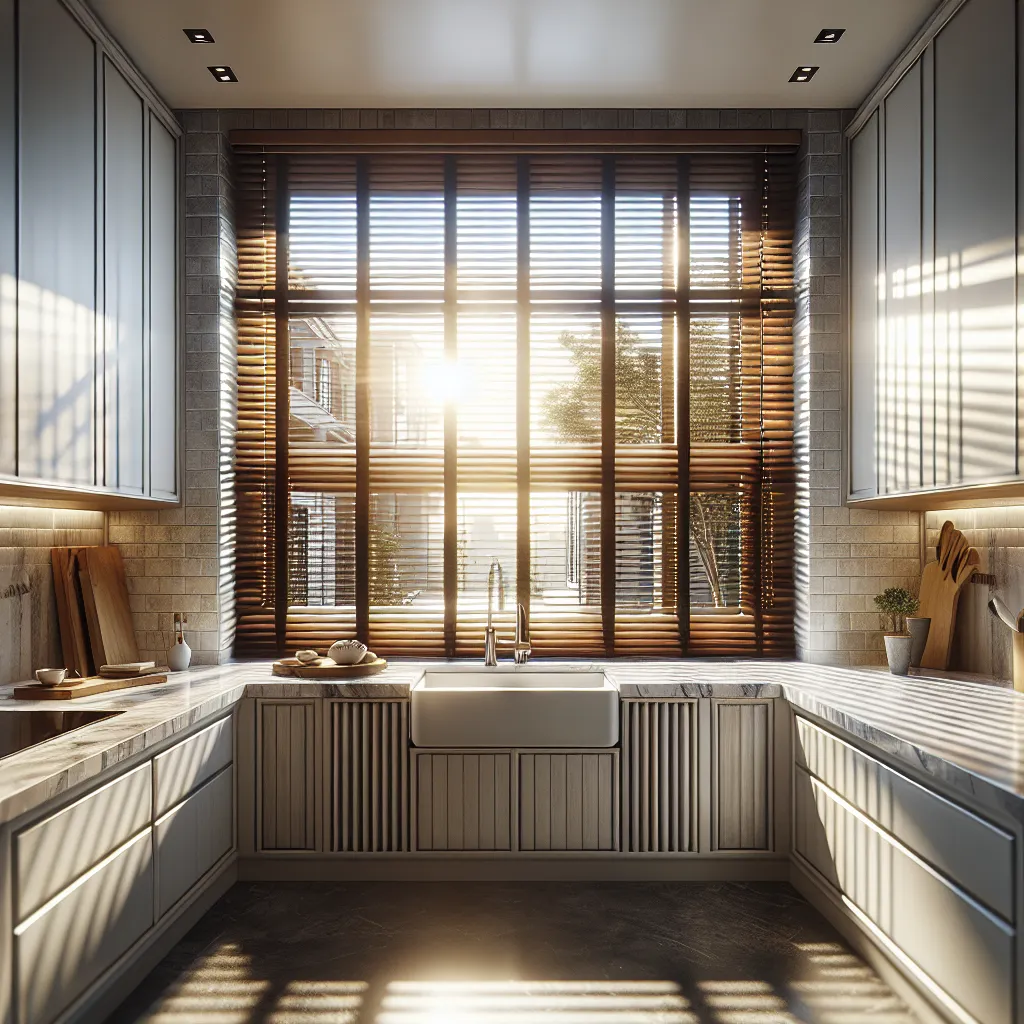
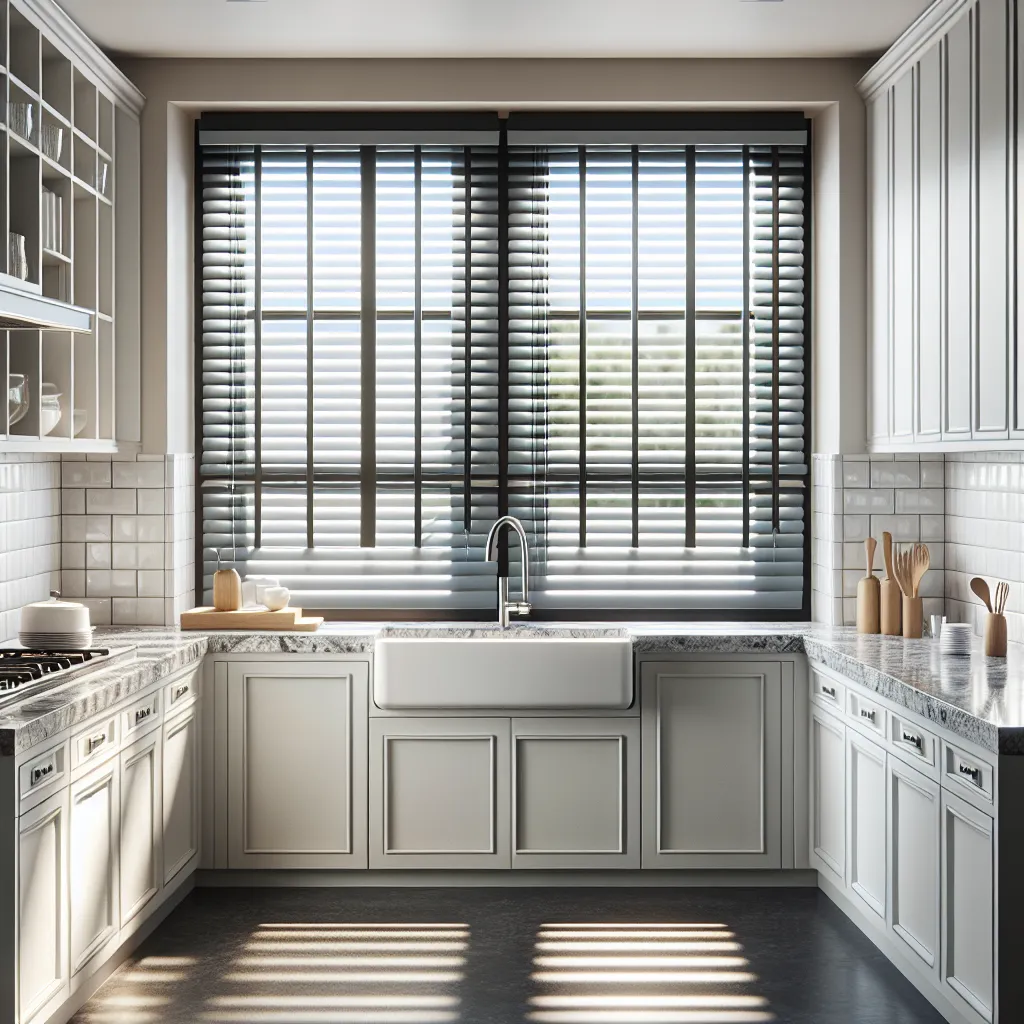
3. Faux Wood Blinds — $35 to $120 Per Window
Faux wood blinds are the most popular choice among homeowners in 2026, and for good reason. They provide the look of real wood at a fraction of the cost and handle moisture far better.
Pros:
- Realistic wood grain appearance
- Moisture-resistant — ideal for kitchens and bathrooms
- 2-inch and 2.5-inch slat options for better light control
- Last 7 to 10 years with proper care
Cons:
- Heavier than vinyl or aluminum
- Large windows may require multiple panels
- Not as warm-looking as genuine wood up close
Best for: Living rooms, bedrooms, kitchens — essentially every room in the house. Browse our faux wood blinds collection to see the latest styles.
4. Real Wood Blinds — $80 to $250 Per Window
If you want warmth, character, and a genuine premium feel, real wood blinds deliver. They are available in basswood, bamboo, and hardwood species.
Pros:
- Rich, natural appearance that adds home value
- Excellent insulation properties
- Available in stained or painted finishes
- Lightweight despite being real wood
Cons:
- Not moisture-friendly — will warp in humid environments
- Higher price point
- Require more careful cleaning
Best for: Formal living rooms, dining rooms, and offices where aesthetics matter most. Check our real wood blinds options.
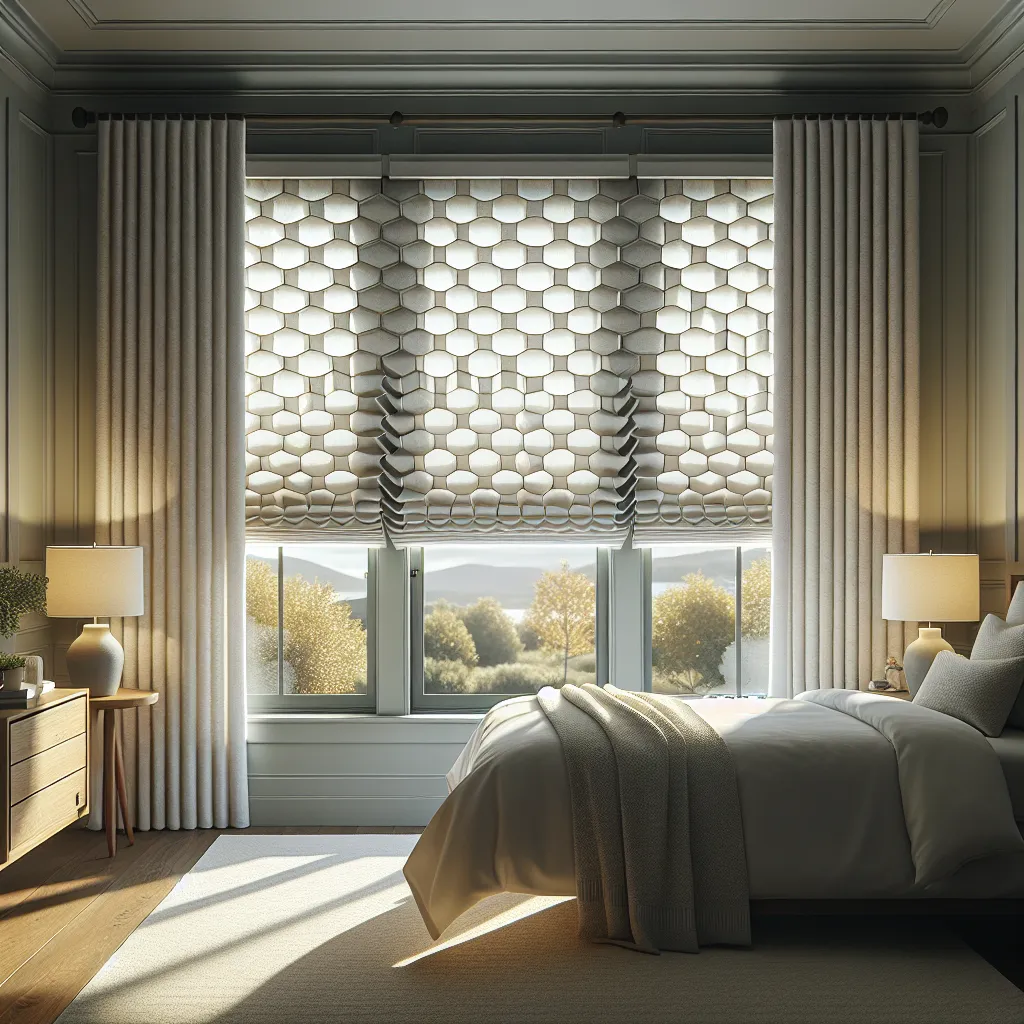
5. Cellular (Honeycomb) Shades — $45 to $180 Per Window
Cellular shades are the energy-efficiency champions. Their honeycomb-shaped cells trap air, creating an insulating barrier at your windows.
Pros:
- Best energy efficiency of any blind type
- Available in light-filtering and blackout fabrics
- Single-cell, double-cell, and triple-cell options
- Cordless and top-down/bottom-up configurations available
Cons:
- Cells can trap dust and are harder to clean
- Fabric can crease or sag over time
- Limited light-direction control compared to slatted blinds
Best for: Homeowners focused on reducing energy bills and improving comfort. Learn more about energy-efficient window treatments.
6. Roller Shades — $30 to $200 Per Window
Roller shades offer a clean, modern look and come in an enormous range of fabrics, from sheer to blackout.
Pros:
- Sleek, minimal profile
- Huge fabric selection
- Easy motorization options
- Simple to operate
Cons:
- No adjustable light control (it is all-or-nothing)
- Cheaper models can bunch or roll unevenly
- Visible roller mechanism unless cassette valance is added
Best for: Modern and contemporary interiors, media rooms, and bedrooms. See our full roller shades catalog.
7. Plantation Shutters — $200 to $600+ Per Window
Plantation shutters are the premium choice and function as a permanent architectural feature of your home. They add significant resale value.
Pros:
- Last 20+ years with minimal maintenance
- Boost home resale value by 3% to 5%
- Excellent light control with wide louvers
- Available in wood, composite, and vinyl
Cons:
- Highest upfront cost
- Professional installation strongly recommended
- Fixed to the window frame — not portable
- Long lead times for custom orders (3 to 6 weeks)
Best for: Homeowners planning to stay long-term, high-end renovations, and southern or colonial-style homes.
Custom Blinds vs Ready-Made: Price Comparison
One of the most impactful decisions you will make is choosing between custom-fitted and off-the-shelf blinds. Here is how costs compare:
| Feature | Ready-Made | Custom |
|---|---|---|
| Average cost per window | $15 – $80 | $60 – $350 |
| Size availability | Standard sizes only | Any width/height |
| Color/material options | Limited | Extensive |
| Fit quality | May leave gaps | Precise fit |
| Warranty | 1 year typical | 3 – 10 years |
| Lead time | Same day | 1 – 4 weeks |
When Ready-Made Blinds Make Sense
Ready-made blinds work well when your windows are standard sizes (typically 23", 27", 29", 31", 35", or 36" wide), you need a quick solution, or you are outfitting a rental property. You can find quality budget options in our affordable custom blinds section that bridge the gap.
When Custom Blinds Are Worth the Investment
Custom blinds become essential when:
- Your windows are non-standard sizes (arched, bay, skylights, or oversized)
- You want a specific material, color, or operating mechanism
- You need precise fit for maximum light blocking and energy efficiency
- You are investing in a long-term home improvement
The per-window premium for custom is typically $40 to $150 more than ready-made, but the improved fit, appearance, and longevity often make up the difference over time.
Installation Costs: DIY vs Professional
DIY Installation — $0 (Just Your Time)
Most blinds come with mounting hardware and step-by-step instructions. A standard inside-mount blind takes 15 to 25 minutes to install with basic tools (drill, screwdriver, pencil, tape measure, level).
DIY is a good choice for:
- Standard rectangular windows
- Inside-mount installations
- Lightweight blinds (vinyl, aluminum, cellular)
- Homeowners comfortable with a drill
Professional Installation — $50 to $150 Per Window
Professional installers handle everything from measurement to final adjustment. Here is what typical labor costs look like:
| Service | Cost |
|---|---|
| Measurement + consultation | Free – $50 (often waived with purchase) |
| Standard blind installation | $50 – $85 per window |
| Shutter installation | $75 – $150 per window |
| Motorized blind setup | $100 – $200 per window |
| Removal of old blinds | $10 – $25 per window |
Professional installation is recommended for:
- Plantation shutters (they are heavy and must be perfectly level)
- Motorized systems with wiring
- Specialty window shapes
- Large or hard-to-reach windows
- Anyone uncomfortable with power tools
Whole-Home Budgeting: What to Expect
Most homes have between 10 and 20 windows. Here is what a whole-home blinds project typically costs:
Budget Approach — $300 to $1,000
- Vinyl or aluminum mini blinds throughout
- DIY installation
- 10 to 20 windows covered
Mid-Range Approach — $1,500 to $4,000
- Faux wood blinds in living spaces
- Cellular shades in bedrooms
- Basic roller shades in utility areas
- Mix of DIY and professional installation
Premium Approach — $5,000 to $12,000
- Real wood blinds or plantation shutters in main living areas
- Motorized cellular shades in bedrooms
- Custom-fitted throughout
- Full professional installation
Luxury Approach — $12,000 to $25,000+
- Plantation shutters throughout
- Smart home integration with motorized controls
- Premium fabrics and finishes
- Full professional installation with custom trim work
7 Proven Ways to Save Money on Blinds
1. Mix and Match Materials
Use premium blinds in high-visibility rooms (living room, master bedroom) and budget options in less-seen spaces (laundry room, garage, basement). This strategy can cut your whole-home cost by 30% to 40%.
2. Buy During Sales Events
The best times to buy blinds are:
- Presidents' Day weekend (February)
- Memorial Day weekend (May)
- Black Friday through Cyber Monday (November)
- End-of-year clearance (December)
Discounts during these events typically range from 20% to 50% off.
3. Order Samples First
Most custom blinds retailers offer free or low-cost samples. Ordering samples prevents costly mistakes from choosing the wrong color or material. It is a small step that can save you hundreds.
4. Choose Inside Mount When Possible
Inside-mount blinds require less material than outside-mount blinds because the window frame acts as the border. This translates to a 5% to 15% savings on material costs.
5. Consider Cordless Over Motorized
Motorized blinds are convenient, but cordless blinds offer a clean, modern look at a fraction of the price. The motorization premium is typically $50 to $150 per window.
6. Measure Carefully (Twice!)
Incorrect measurements on custom blinds mean re-orders at your expense. Most manufacturers will not accept returns on custom-sized products. Take the time to measure each window twice, noting width and height at three points.
7. Buy Custom at Online Retailers
Online custom blinds retailers like Smart Blinds Pro typically offer 20% to 40% lower prices than brick-and-mortar stores because they cut out showroom overhead and middlemen.
Hidden Costs to Watch For
When budgeting for blinds, do not forget these frequently overlooked expenses:
- Valances and cornices: $15 to $75 per window
- Hold-down brackets (for doors): $5 to $15 per bracket
- Extension brackets (for deep windows): $10 to $20 per set
- Replacement parts (cords, wands, tilt mechanisms): $5 to $25
- Old blind removal and disposal: $10 to $25 per window if done professionally
How Long Do Blinds Last?
Understanding lifespan helps you calculate true cost of ownership:
| Blind Type | Average Lifespan | Cost Per Year (based on mid-range pricing) |
|---|---|---|
| Vinyl mini blinds | 2 – 4 years | $5 – $20 |
| Aluminum mini blinds | 4 – 6 years | $5 – $12 |
| Faux wood blinds | 7 – 10 years | $7 – $15 |
| Real wood blinds | 10 – 15 years | $8 – $17 |
| Cellular shades | 5 – 8 years | $8 – $23 |
| Roller shades | 5 – 7 years | $7 – $29 |
| Plantation shutters | 20 – 25 years | $10 – $30 |
When you look at cost per year, plantation shutters and faux wood blinds are often the best value despite higher upfront prices.
Frequently Asked Questions
How much should I budget for blinds in a 3-bedroom house?
For a typical 3-bedroom home with 12 to 15 windows, expect to spend $600 to $2,500 for a mid-range approach using faux wood blinds and cellular shades with DIY installation.
Are expensive blinds worth it?
In high-traffic, high-visibility rooms, yes. Premium blinds last longer, look better, and can increase your home's value. In utility spaces and guest rooms, budget options are perfectly adequate.
Do blinds add value to a home?
Yes. Quality window treatments are considered a selling point by real estate agents. Plantation shutters in particular can return 70% to 90% of their cost at resale.
Can I negotiate blinds prices?
At brick-and-mortar stores, yes — especially on large orders. Ask for a whole-home discount, free installation, or complimentary upgrades. Online retailers typically have lower base prices but less room for negotiation.
What is the cheapest way to cover a window?
Vinyl mini blinds starting at around $10 per window are the cheapest option. For a step up in quality without a major price jump, look at our affordable custom blinds starting under $30 per window.
Get the Best Value on Blinds in 2026
The key to getting great blinds at a fair price is matching the right product to the right room. You do not need plantation shutters in every window, and you do not want vinyl mini blinds in your living room.
Ready to find the perfect blinds for your home and budget? Browse our full collection to see real-time pricing on custom blinds, or contact our team for a free consultation and personalized quote. We will help you create a whole-home plan that looks great and fits your budget.